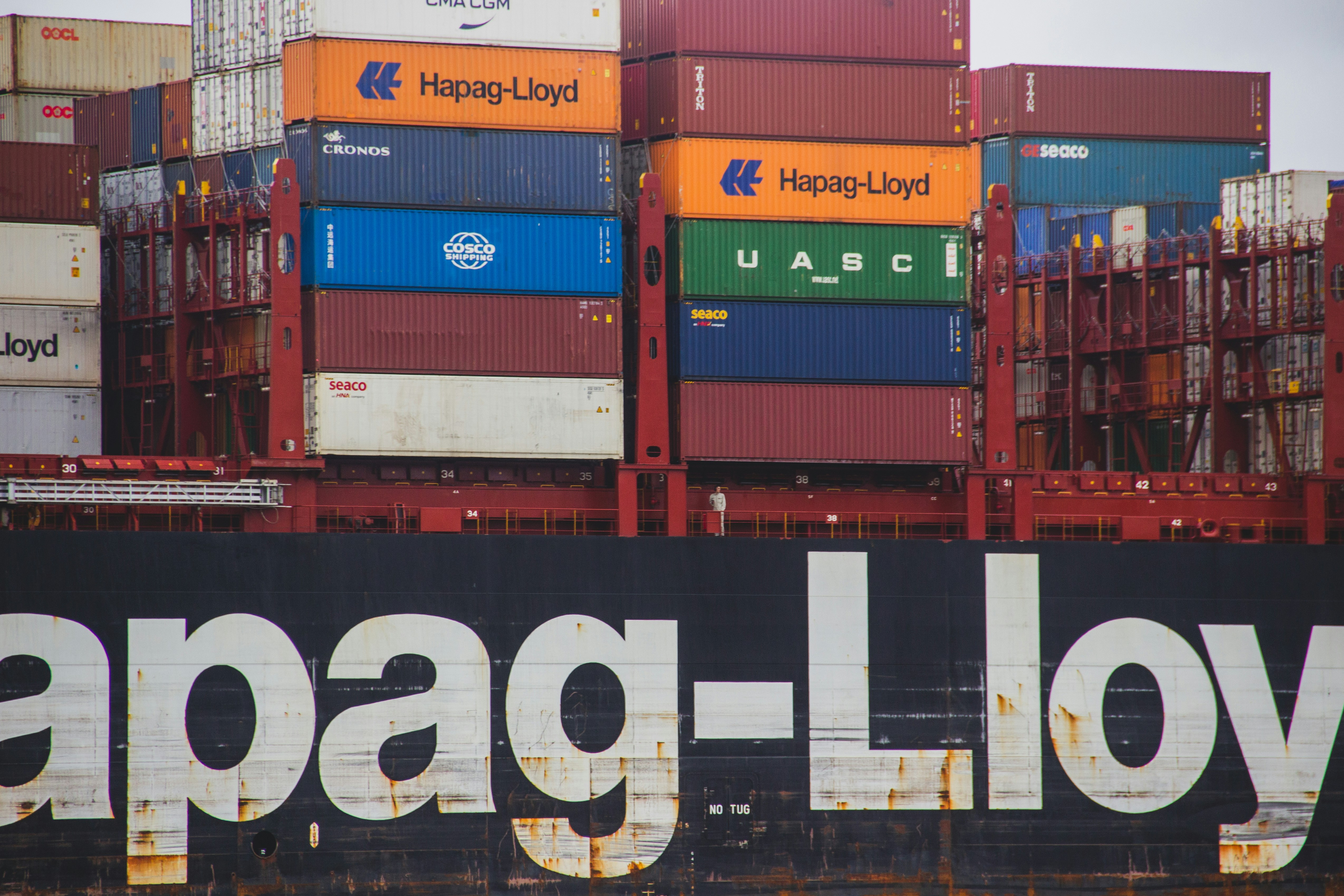

UAE to Gulf Sea Freight Routes connect the United Arab Emirates with major ports across the Gulf region. Therefore, businesses can use sea freight to move commercial goods, containers, equipment, retail stock, and other eligible cargo between important Gulf markets.
The UAE has several major ports, while Jebel Ali remains an important container hub for regional and international shipping. Moreover, shipping lines operate feeder and shuttle connections between UAE ports and destinations across the Gulf. Current service networks show connections involving Jebel Ali, Sohar, Hamad, Shuwaikh, Bahrain, Dammam, and Jubail.
As a result, sea freight can provide a practical option for businesses that need to move larger shipments across the region. However, the best route depends on cargo type, destination, container requirements, and current vessel schedules.
What Are UAE to Gulf Sea Freight Routes?
UAE to Gulf Sea Freight Routes are maritime shipping connections that move cargo from UAE ports to ports in other Gulf countries.
For example, a shipment may start at Jebel Ali Port and move through a feeder service toward Kuwait, Bahrain, Qatar, Oman, or Saudi Arabia. In addition, some shipping networks connect UAE ports with other regional hubs before the cargo reaches its final destination.
Sea freight works particularly well for businesses that move cargo in containers. Furthermore, companies can choose between different container and consolidation options according to shipment size and requirements.
Major UAE to Gulf Sea Freight Routes
The Gulf has several important maritime connections. However, each route can operate differently depending on the shipping line and current network.
UAE to Oman Sea Freight Route
The UAE and Oman have strong maritime connections. Jebel Ali connects with Omani ports such as Sohar and Salalah through regional shipping networks.
Therefore, businesses can consider sea freight when they need to move commercial cargo between the UAE and Oman.
Common shipments may include:
- Commercial goods
- Machinery
- Spare parts
- Retail inventory
- Industrial equipment
- Containerized cargo
The exact port and service depend on the shipment requirements and available sailing schedule.
UAE to Qatar Sea Freight Route
Qatar also connects with UAE-based maritime networks. Current shipping service maps show Hamad Port and Jebel Ali within regional feeder and shuttle connections.
As a result, businesses can use maritime freight for suitable containerized shipments between the UAE and Qatar.
Moreover, companies should confirm the current sailing schedule before booking because regional operating conditions can change.
UAE to Kuwait Sea Freight Route
Kuwait is another important destination on UAE to Gulf Sea Freight Routes. Jebel Ali has feeder connections with Shuwaikh and Shuaiba in Kuwait.
Consequently, businesses can use container shipping for suitable commercial and industrial cargo.
For instance, companies may ship retail inventory, machinery, equipment, and other goods that require container transportation.
UAE to Bahrain Sea Freight Route
Bahrain also forms part of regional feeder networks from the UAE. For example, current service information shows connections between Jebel Ali and Khalifa Bin Salman Port in Bahrain.
Therefore, businesses can consider sea freight when their cargo suits containerized transportation.
At the same time, the final route can depend on the shipping line, vessel availability, cargo type, and port conditions.
UAE to Saudi Arabia Sea Freight Route
Saudi Arabia has several important Gulf ports, including Dammam and Jubail. Current shipping networks show feeder or shuttle connections involving Jebel Ali and these Saudi ports.
However, businesses should check the exact service before booking. Shipping lines may use direct connections, feeder services, or alternative multimodal arrangements depending on current operating conditions.
Jebel Ali in UAE to Gulf Sea Freight Routes
Jebel Ali plays an important role in regional container shipping. In addition to international services, shipping networks connect Jebel Ali with several Gulf destinations.
For example, current Hapag-Lloyd network information lists feeder or shuttle connections involving:
- Jebel Ali to Kuwait
- Jebel Ali to Bahrain
- Jebel Ali to Qatar
- Jebel Ali to Oman
- Jebel Ali to Saudi Arabia
Similarly, APL’s Jebel Ali–Middle East Express lists Jebel Ali, Shuwaikh, Bahrain, Hamad, and Khalifa Port within its Arabian Gulf service.
Therefore, Jebel Ali can serve as an important starting point for businesses planning regional sea freight.
Types of Cargo for UAE to Gulf Sea Freight Routes
Sea freight can handle many types of commercial shipments. However, the shipping method should match the cargo requirements.
Commercial Cargo
Businesses can use sea freight for:
- Retail products
- Wholesale goods
- Electronics
- Packaging materials
- FMCG products
- Business supplies
Industrial Cargo
Moreover, industrial companies can use sea freight for:
- Machinery
- Spare parts
- Factory equipment
- Tools
- Construction materials
- Production supplies
Containerized Cargo
Container shipping works well for businesses that need organized cargo handling. Depending on the shipment, companies can use full-container or consolidation services.
Furthermore, containerized transportation can simplify loading, port handling, and onward delivery.
FCL and LCL Sea Freight from UAE
Businesses can generally choose between FCL and LCL according to cargo volume.
FCL Sea Freight
FCL means Full Container Load. In this option, one customer uses the available container space for their shipment.
Therefore, FCL can suit businesses with larger cargo volumes that can efficiently fill a container.
LCL Sea Freight
LCL means Less than Container Load. Instead of using a complete container, several compatible shipments share container space.
As a result, LCL can provide a practical option for smaller shipments that do not require an entire container.
The right option depends on cargo volume, dimensions, destination, budget, and delivery requirements.
How UAE to Gulf Sea Freight Routes Work
The sea freight process usually follows several steps.
Step 1: Share Cargo Details
First, provide the cargo type, weight, dimensions, number of packages, pickup location, and destination.
Step 2: Select the Shipping Option
Next, the freight provider reviews the shipment and identifies a suitable sea freight option.
Step 3: Cargo Pickup
After booking, the logistics team collects the cargo from the agreed UAE location or receives it at the required port or warehouse.
Step 4: Documentation
Then, the shipper prepares the required commercial and shipping documents. Depending on the cargo and destination, customs documents may also apply.
Step 5: Port Handling
The cargo reaches the selected UAE port. After that, the shipping line handles loading and vessel arrangements.
Step 6: Sea Transportation
The vessel or feeder service carries the shipment toward the destination port.
Step 7: Destination Clearance and Delivery
Finally, the cargo completes the required destination procedures before onward delivery.
Because every shipment has different requirements, customers should confirm the complete process before booking.
UAE to Gulf Sea Freight Routes Cost
The cost of UAE to Gulf Sea Freight Routes does not follow one fixed price. Instead, several factors affect the final quotation.
Destination
First, the destination port affects the overall freight cost.
Container Size
A 20-foot container and a 40-foot container have different pricing structures.
Cargo Volume
Moreover, LCL shipments depend on cargo volume, dimensions, and handling requirements.
Cargo Type
Special, heavy, fragile, or temperature-sensitive cargo may require additional equipment or handling.
Port Charges
In addition, customers may need to consider documentation, terminal handling, customs, and other applicable charges.
Current Shipping Conditions
Finally, vessel availability, route changes, port conditions, and regional disruptions can affect schedules and costs. For example, shipping lines have recently introduced alternative multimodal and feeder arrangements for Gulf cargo because regional conditions remain changeable.
Therefore, customers should request a current quotation before confirming a shipment.
Documents Required for UAE to Gulf Sea Freight
Proper documentation helps reduce delays. Depending on the cargo and destination, the required documents may include:
- Commercial invoice
- Packing list
- Bill of lading
- Export documents
- Import documents
- Customs paperwork
- Certificate of origin, where required
Moreover, special cargo may require additional permits or certificates.
Therefore, customers should provide accurate cargo information before the booking process starts.
Why Choose Pak Ghazi Cargo?
Pak Ghazi Cargo provides cargo and logistics solutions for shipments between the UAE and Gulf destinations. The company offers road freight, air cargo, sea freight, door-to-door cargo, commercial cargo solutions, personal shipments, and customs clearance assistance.
For businesses searching for UAE to Gulf Sea Freight Routes, Pak Ghazi Cargo can help customers understand suitable shipping options according to their cargo type, destination, and transportation requirements.
Moreover, customers can discuss their shipment details before booking. This approach helps the logistics team recommend a suitable freight solution instead of relying on a general rate.
You can learn more about cargo services from Pak Ghazi Cargo.
How to Get a UAE to Gulf Sea Freight Quote
To receive an accurate quotation, prepare the following information:
- UAE pickup location
- Destination country and city
- Destination port, if known
- Cargo type
- Number of packages
- Total weight
- Package dimensions
- Required container type
- Preferred shipping date
In addition, mention whether you need pickup, customs assistance, warehousing, or final delivery.
With complete information, the freight provider can assess the shipment more accurately and provide a more suitable quotation.
Conclusion
UAE to Gulf Sea Freight Routes provide an important transportation option for businesses moving containerized cargo across the Gulf. Jebel Ali connects with several regional ports, including destinations in Oman, Qatar, Kuwait, Bahrain, and Saudi Arabia through different feeder and shuttle networks.
Furthermore, businesses can choose FCL or LCL according to their cargo volume and shipping needs. However, route availability, vessel schedules, port conditions, and regional operating requirements can change.
Therefore, customers should confirm the latest route and freight rate before booking. For a current quotation and shipping guidance, contact Pak Ghazi Cargo through WhatsApp or call +971 55 640 2772.