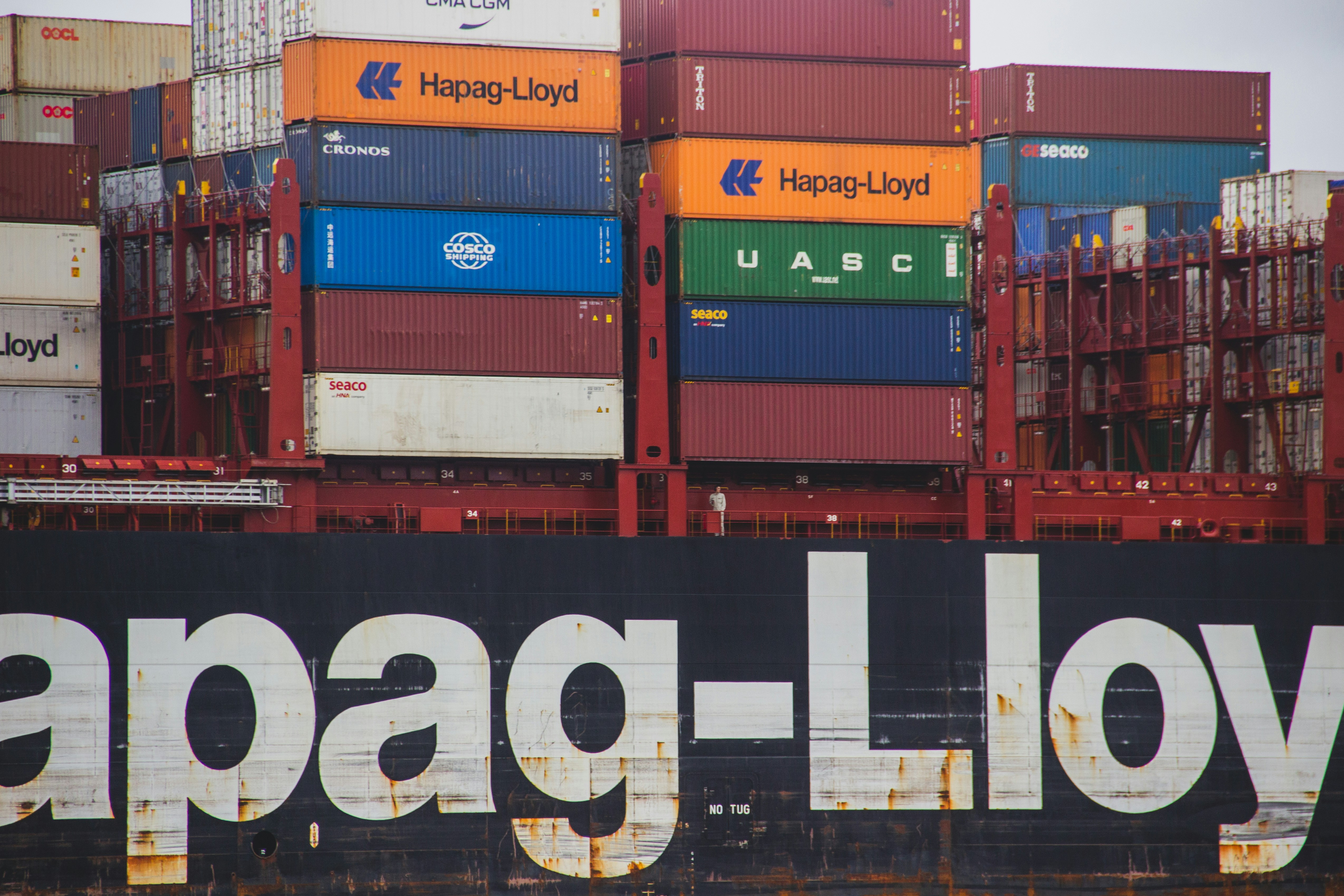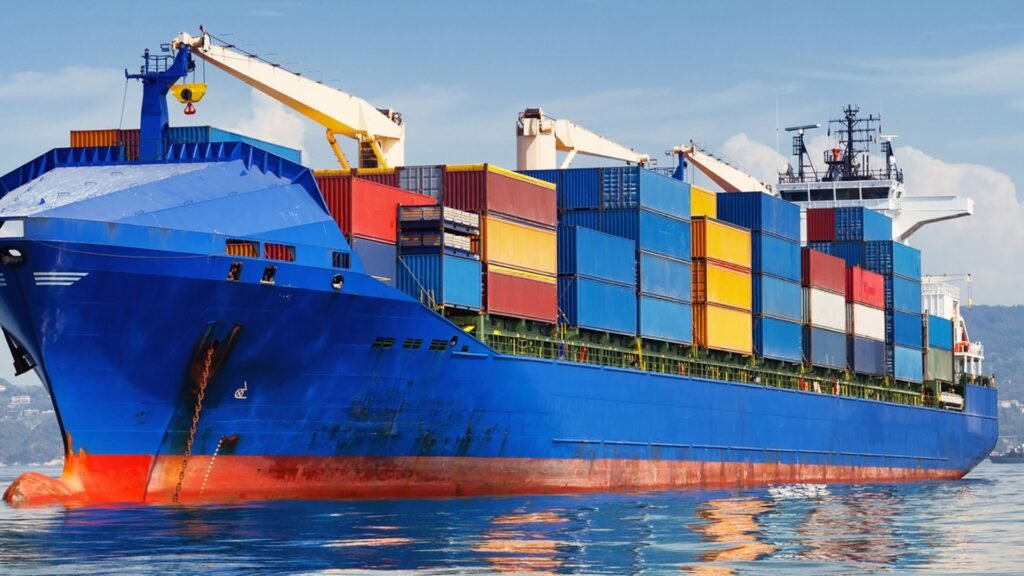

UAE to GCC FCL Services provide a practical shipping solution for businesses that need to move large quantities of goods from the United Arab Emirates to Gulf countries. FCL, or Full Container Load, is generally used when a shipment requires an entire container rather than sharing container space with other customers.
For businesses moving regular inventory, machinery, equipment, retail stock, construction materials, or other large shipments, full-load transportation can provide better control over cargo handling and scheduling.
The GCC destinations commonly served from the UAE include Saudi Arabia, Oman, Qatar, Kuwait, and Bahrain. Depending on the shipment and destination, FCL requirements may be handled through sea freight or full-load road transportation. GCC logistics providers offer both FTL road freight and containerized FCL options for regional cargo.
What Are UAE to GCC FCL Services?
UAE to GCC FCL Services are designed for shipments that require the capacity of a full container or dedicated full-load transportation.
Instead of combining your cargo with multiple smaller shipments, the available container or full-load vehicle is allocated to your shipment.
This can be useful when:
- You have a large shipment
- Your cargo needs dedicated space
- You want fewer handling points
- Your goods are palletized
- You are moving regular commercial inventory
- You need a dedicated transportation arrangement
The exact equipment depends on the cargo, route, and selected freight method.
Why Choose UAE to GCC FCL Services?
Dedicated Cargo Space
One of the main advantages of FCL is that your shipment gets dedicated container space. This can reduce the amount of cargo consolidation and handling compared with shared-load shipping.
Suitable for Large Shipments
FCL is particularly useful when the shipment is large enough to make full-container transportation practical.
Businesses can use it for:
- Wholesale inventory
- Retail stock
- Machinery
- Industrial equipment
- Construction supplies
- Automotive parts
- Furniture
- E-commerce inventory
- Project cargo
Better Cargo Organization
Full-load shipments can simplify loading and unloading because the cargo is organized within one dedicated container or load unit.
Suitable for Regular Business Freight
Companies that frequently move goods between the UAE and GCC can use planned full-load services to support regular supply-chain operations.
UAE to GCC FCL Services by Road
Road freight is an important option for regional GCC transportation. Providers offer full-load and less-than-load services from the UAE to destinations across the Gulf.
For road freight, the term FTL (Full Truckload) is often more accurate than FCL because the cargo is transported in a dedicated truck or trailer rather than a shipping container.
Full-load road transportation can be useful for businesses that need dedicated truck capacity.
UAE to Saudi Arabia
Saudi Arabia is directly connected to the UAE by land. Road freight commonly uses the Al Ghuwaifat–Al Batha border corridor for shipments heading into Saudi Arabia.
UAE to Oman
Oman also has a direct land connection with the UAE. Road freight can therefore provide a practical option for full-load shipments moving toward Muscat, Sohar, Salalah, and other Omani destinations.
UAE to Qatar
Road cargo from the UAE to Qatar generally transits Saudi Arabia before reaching Qatar. This means the shipment must be planned around the relevant transit and border procedures.
UAE to Kuwait
UAE-to-Kuwait road freight also requires transit through Saudi Arabia. Full-load shipments should therefore have appropriate transit and customs documentation.
UAE to Bahrain
Road shipments from the UAE to Bahrain normally pass through Saudi Arabia before reaching Bahrain. The King Fahd Causeway is the final land connection into Bahrain.
UAE to GCC FCL Services by Sea
Sea freight is another important option when UAE to GCC FCL Services are required for large or heavy shipments.
A sea FCL shipment uses a dedicated shipping container. Common container sizes include:
- 20-foot container
- 40-foot container
- 40-foot high-cube container
The correct container depends on cargo volume, weight, dimensions, and loading requirements.
For businesses moving substantial quantities of goods, sea FCL can be useful when delivery speed is less important than container capacity and efficient bulk transportation.
FCL vs LCL for UAE to GCC Cargo
Understanding the difference between FCL and LCL can help businesses select the right service.
FCL – Full Container Load
FCL is suitable when a shipment needs an entire container.
It can be a good choice for:
- Large shipments
- High-volume inventory
- Full container loads
- Cargo requiring dedicated space
- Regular commercial shipments
LCL – Less than Container Load
LCL is designed for smaller shipments that do not require an entire container. Cargo shares container space with other shipments.
LCL can be more suitable for smaller volumes because customers pay for the portion of container space used rather than booking the entire container.
Therefore, the best option depends on cargo volume, budget, urgency, and handling requirements.
UAE to GCC FCL Services for Commercial Cargo
Businesses can use full-load freight to transport many types of commercial goods.
Common examples include:
- Retail inventory
- Wholesale products
- FMCG goods
- Electronics
- Furniture
- Machinery
- Automotive parts
- Construction materials
- Industrial equipment
- Packaging materials
- E-commerce inventory
The cargo must comply with the import and transportation regulations of the destination country.
UAE to GCC FCL Services for Heavy Cargo
Full-load transportation can also be useful for heavy or bulky shipments.
Depending on cargo dimensions and weight, specialized equipment may be required. Freight providers may use flatbeds, lowbeds, curtain-side trailers, or other suitable equipment for certain shipments. GCC land freight providers advertise dedicated equipment for machinery, construction materials, oversized cargo, and other specialized loads.
Customers should provide accurate cargo measurements before booking so the appropriate equipment can be selected.
UAE to GCC FCL Services Cost
The cost of UAE to GCC FCL Services depends on several factors. There is no single FCL rate that applies to every shipment.
Important pricing factors include:
Container Size
A 20-foot container and a 40-foot container have different capacities and transportation costs.
Cargo Weight
Heavy cargo can affect equipment selection, handling, and transportation charges.
Destination
The destination country and final delivery location can significantly influence the overall freight cost.
Shipping Method
Road FTL and sea FCL have different pricing structures. Customers should specify whether they need a containerized sea shipment or dedicated road transportation.
Pickup and Delivery
Door-to-door FCL services can include pickup from a UAE warehouse and delivery to the customer’s destination in the GCC.
Customs and Documentation
Export, transit, import, customs clearance, port handling, and documentation charges may affect the final quotation.
For this reason, customers should request an all-inclusive quotation where possible and confirm which services and charges are included.
Documents Required for UAE to GCC FCL Services
International freight requires appropriate documentation. Depending on the shipment and destination, documents may include:
- Commercial invoice
- Packing list
- Certificate of origin
- Shipping documents
- Customs declaration
- Import permits where applicable
- Transport documents
- Container or truck manifest
Some goods may require additional certificates or approvals.
Providing correct documentation before dispatch can help reduce unnecessary delays at borders, ports, or customs facilities.
How UAE to GCC FCL Services Work
The process generally follows several steps.
Step 1: Cargo Assessment
The freight provider reviews the cargo type, weight, volume, dimensions, and destination.
Step 2: Equipment Selection
The appropriate container, trailer, or full-load vehicle is selected according to the shipment.
Step 3: Cargo Pickup
The empty container or suitable truck is arranged for loading at the UAE pickup location.
Step 4: Documentation and Clearance
Required export and shipping documentation is prepared before the cargo leaves the UAE.
Step 5: Transportation
The shipment travels by the selected road or sea route toward its GCC destination.
Step 6: Destination Clearance
Import and customs procedures are completed according to the destination country’s requirements.
Step 7: Final Delivery
For door-to-door services, the cargo is delivered to the final warehouse, business, project site, or other agreed location.
Why Choose Pak Ghazi Cargo?
Pak Ghazi Cargo provides cargo and freight solutions for UAE and GCC shipments. Its services cover road freight, air cargo, sea freight, door-to-door cargo, commercial shipments, personal cargo, and customs clearance support.
For customers looking for UAE to GCC FCL Services, the appropriate freight option can be selected according to cargo size, destination, transportation method, and delivery requirements.
Businesses can discuss their shipment details and request a quotation based on the required load capacity and GCC destination.
You can visit Pak Ghazi Cargo to explore its UAE and GCC cargo services.
How to Get a UAE to GCC FCL Quote
To receive an accurate FCL quotation, provide:
- UAE pickup location
- GCC destination
- Final delivery address
- Cargo type
- Cargo weight
- Total volume
- Package dimensions
- Number of pallets or packages
- Preferred container or truck size
- Required delivery schedule
Complete information allows the freight provider to recommend the right FCL or FTL option.
Conclusion
UAE to GCC FCL Services are a suitable option for businesses that need dedicated capacity for large commercial shipments. Depending on the destination and transportation requirements, customers can choose between containerized sea FCL and dedicated full-load road transportation.
Saudi Arabia and Oman can be reached directly by road from the UAE, while shipments to Qatar, Kuwait, and Bahrain generally require Saudi transit.
The final cost depends on cargo volume, weight, container or truck size, destination, customs requirements, and selected transportation method. Therefore, providing complete shipment details is the best way to receive an accurate quotation.
For a current quotation or booking, contact Pak Ghazi Cargo through WhatsApp or call +971 55 640 2772.