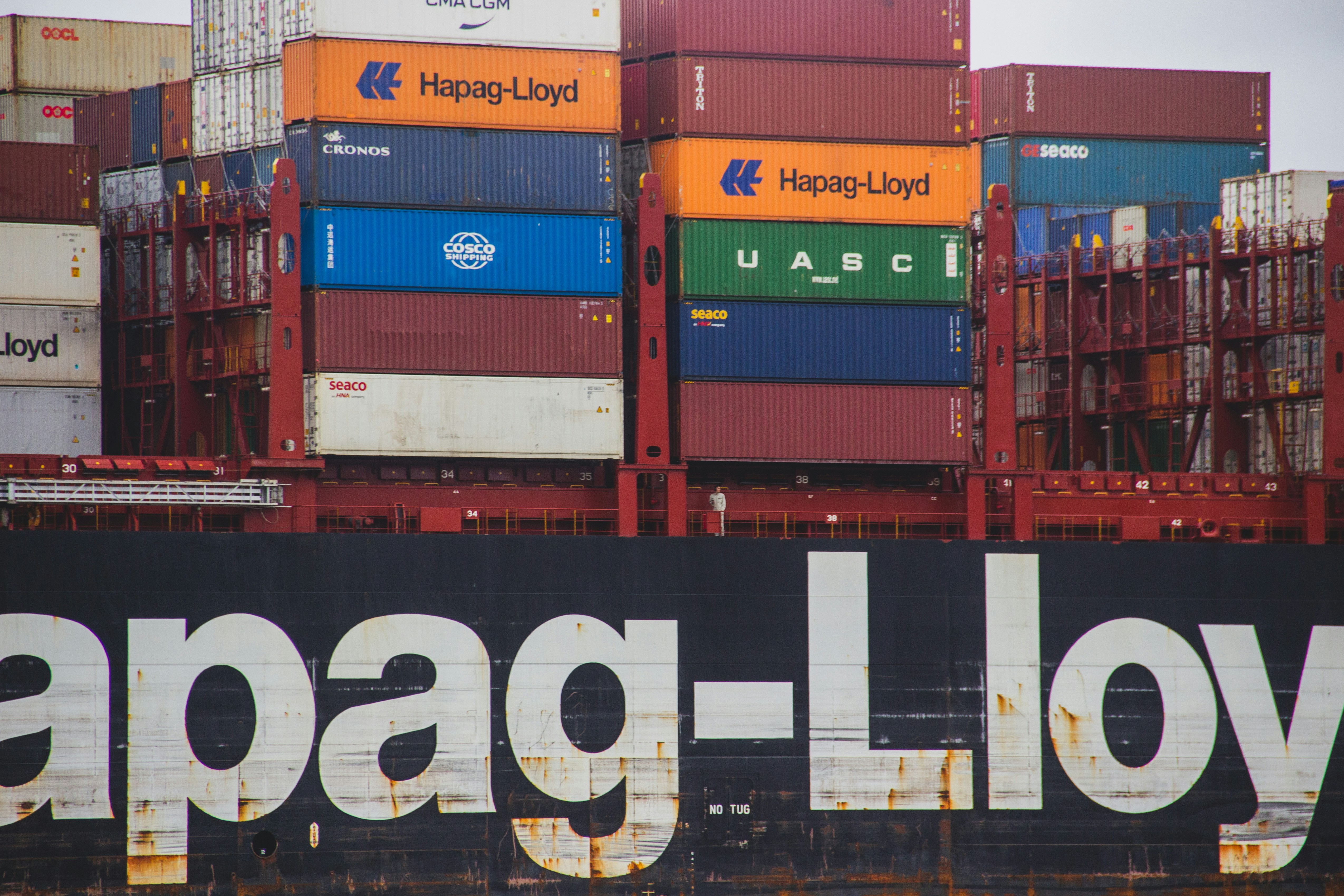
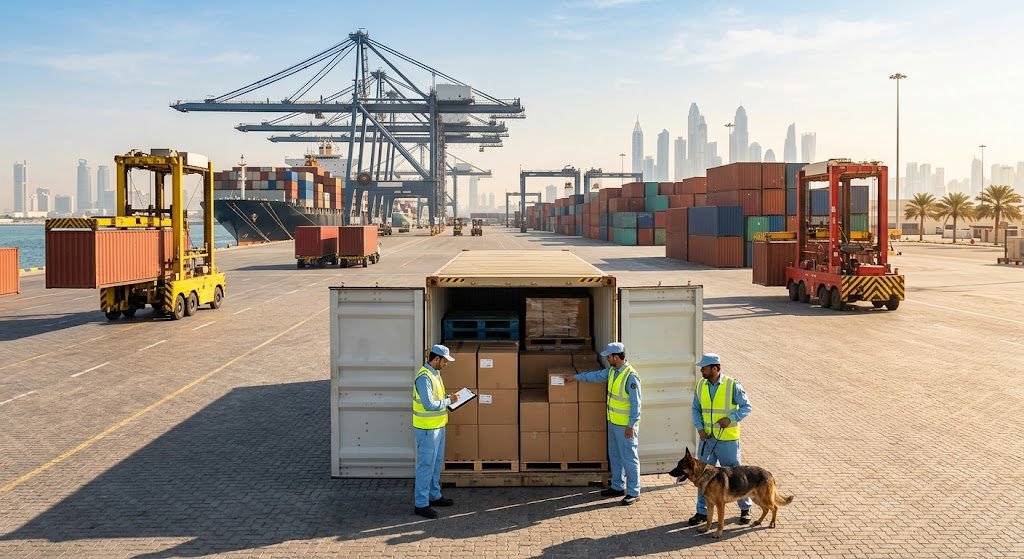
Cargo customs support UAE services help businesses and individuals prepare shipments for import, export, and cross-border transportation. Correct documentation and proper coordination can help reduce avoidable delays, clarify applicable charges, and make cargo movement more manageable.
Whether you are shipping commercial products, machinery, furniture, electronics, construction materials, or household belongings, understanding customs requirements is an important part of the freight process. Each shipment may require different documents, approvals, and clearance procedures depending on the goods and destination.
At Pak Ghazi Cargo, we provide freight and logistics solutions across the UAE and GCC, including road freight, air cargo, sea freight, door-to-door transportation, and customs clearance assistance. Our team can help customers understand their shipping requirements and coordinate suitable freight arrangements.
Visit Pak Ghazi Cargo to explore our services and discuss your cargo requirements.
What Is Cargo Customs Support UAE?
Cargo customs support involves helping shippers prepare documentation and coordinate the customs procedures associated with transporting goods. It can include assistance with invoices, packing lists, cargo descriptions, certificates of origin, permits, and other documents required for a particular shipment.
Customs authorities may review shipment information, verify cargo details, assess applicable duties and taxes, and inspect goods when necessary. Therefore, accurate paperwork and proper preparation are essential for businesses moving goods across borders.
For example, a company shipping commercial products from Dubai to another GCC country may need to provide a commercial invoice, a packing list, transport documents, and additional approvals depending on the goods.
The exact requirements vary according to the shipment, customs regime, and destination. You can explore Pak Ghazi Cargo’s services to learn more about our freight and logistics solutions.
Why Is Customs Support Important for Cargo in the UAE?
Accurate Shipping Documentation
Complete and consistent documentation helps customs authorities identify the goods, understand their declared value, and review the shipment details.
Incorrect descriptions, missing paperwork, or differences between invoices and packing lists can lead to additional questions or delays. Therefore, customers should check their documents before dispatch.
Fewer Avoidable Delays
Customs inspections, missing permits, incomplete declarations, and incorrect shipment information can affect cargo release.
Preparing the required documents in advance helps customers address potential issues earlier. However, customs authorities control inspections, approvals, and release decisions, so clearance times cannot always be guaranteed.
Better Understanding of Customs Charges
Customs-related costs may include duties, taxes, declaration fees, inspection charges, storage, and other applicable expenses.
These charges depend on the goods, declared value, classification, origin, and destination. A clear quotation helps customers understand which services are included and which charges may be payable separately.
Support for Cross-Border Freight
Shipments moving from the UAE to GCC destinations may require different documents and procedures according to their origin, customs status, cargo type, and destination country.
Professional logistics coordination helps customers understand these requirements and arrange suitable transportation.
Improved Shipment Planning
Businesses can plan deliveries more effectively when they understand the documentation, approvals, and customs procedures required for their goods.
This is particularly useful for companies shipping inventory, industrial equipment, machinery, and wholesale products on a regular basis.
Types of Cargo Customs Support in the UAE
Customs requirements differ depending on the purpose of the shipment. The following are common areas where customers may need assistance.
Import Customs Support
Import customs procedures apply when goods enter the UAE from another country or customs territory.
Depending on the shipment, the required documents may include:
- Commercial invoice
- Packing list
- Certificate of origin, where required
- Bill of lading or air waybill, depending on the transport method
- Import permits or approvals for regulated goods
- Customs declaration and supporting information
Importers should confirm the applicable requirements before the cargo arrives. Certain products may require additional approvals from the relevant UAE authorities.
Export Customs Support
Businesses exporting goods from the UAE may need to prepare an export declaration and supporting documents.
The requirements depend on the cargo, destination, export procedure, and applicable regulations. Commercial exporters should make sure that the invoice, packing list, cargo description, and transport information are consistent.
Proper preparation can help the shipment progress through the required export procedures.
Transit Customs Support
Transit shipments move through a customs territory to another destination without being imported for local consumption under the same procedure.
Depending on the route, transit arrangements may require declarations, transport details, cargo information, and compliance with customs control requirements.
Transit conditions can differ from standard import and export procedures. Therefore, customers should confirm the requirements for their specific route before dispatch.
Re-Export Customs Support
Re-export procedures may apply when goods previously imported into the UAE are shipped onward to another country.
The correct procedure depends on the original import status, storage location, applicable customs regime, and destination. Supporting documents and the original customs declaration may be relevant.
Customers should confirm the appropriate process with their customs representative or the relevant customs authority.
Documents Required for Cargo Customs Clearance in the UAE
Preparing the correct paperwork is an important step in customs processing. Although requirements vary, several documents are commonly used for commercial cargo shipments.
Commercial Invoice
A commercial invoice describes the goods being shipped and normally includes details such as the seller, buyer, product description, quantity, and declared value.
Ensure that the information matches the actual shipment and other supporting documents.
Packing List
A packing list provides information about the shipment’s contents, including package counts, quantities, and weight. Depending on the goods, it may also include package dimensions and identifying marks.
This document helps customs officials and cargo handlers understand how the shipment is packed.
Certificate of Origin
A certificate of origin identifies the country in which the goods originate, where required. It may be relevant for customs treatment, trade agreements, or destination-specific documentation requirements.
The need for this document depends on the product and shipment.
Transport Documents
Transport documents provide information about the cargo and its movement. Examples include a road consignment note, air waybill, or bill of lading, depending on the selected freight method.
Make sure the shipment details match the information in the commercial paperwork.
Permits and Special Approvals
Certain goods may require additional permits or approvals before customs release. These can include regulated products, controlled equipment, food items, chemicals, and other goods subject to specific rules.
Always disclose the actual contents of the shipment and check whether additional approvals apply.
Cargo Customs Support UAE to GCC Countries
Businesses shipping from the UAE to GCC countries should check the customs requirements for their specific goods and route. Although GCC countries cooperate through a customs union, this does not mean that every shipment can move without documentation, restrictions, or destination-specific procedures.
UAE to Saudi Arabia
Companies shipping commercial goods, machinery, furniture, and other products to Saudi Arabia should prepare accurate shipment details and confirm applicable import requirements.
The necessary documents may vary according to the product, origin, customs status, and destination.
UAE to Oman
Cargo moving from the UAE to Oman may require appropriate transport documentation and compliance with the applicable customs procedures.
Businesses should confirm the cargo description, required permits, and destination arrangements before dispatch.
UAE to Qatar
Commercial shipments to Qatar may require invoices, packing lists, transport documents, and product-specific approvals where applicable.
Providing accurate information helps the logistics provider assess the shipment and coordinate the required transportation arrangements.
UAE to Kuwait
Businesses shipping inventory or equipment to Kuwait should confirm the destination’s import rules and any documentation required for their goods.
The freight quotation should also identify which customs-related services are included and which charges may be payable separately.
UAE to Bahrain
Customers sending commercial or personal cargo to Bahrain should confirm the applicable requirements according to the cargo type and route.
Proper documentation and early coordination can help reduce avoidable complications during transportation.
For all GCC destinations, ask your logistics provider to confirm the requirements for your exact shipment rather than relying on general assumptions.
How Cargo Customs Support Works
A structured process helps businesses prepare cargo for shipment and understand the steps involved in customs clearance.
Step 1: Provide Shipment Details
Share the origin, destination, cargo description, quantity, weight, dimensions, and intended purpose of the shipment.
Accurate details help the logistics team identify the likely documentation and transportation requirements.
Step 2: Prepare the Required Documents
Gather the commercial invoice, packing list, transport documents, certificate of origin, and any permits required for your goods.
The exact document list should be confirmed for the relevant customs procedure.
Step 3: Review the Cargo Classification
Goods are classified using the applicable Harmonized System (HS) code. The classification can affect customs duties, restrictions, and permit requirements.
If you are unsure about the correct classification, seek confirmation from a qualified customs representative or the relevant customs authority.
Step 4: Confirm Duties and Other Charges
Ask for information about applicable customs duties, taxes, declaration fees, handling charges, and any other costs that may apply.
The final amount depends on the goods, customs valuation, classification, origin, and destination rules.
Step 5: Coordinate the Customs Declaration
The appropriate customs declaration must be submitted according to the applicable procedure. A qualified or authorised party should handle the declaration where required by law.
The customs authority may request additional information, inspect the cargo, or require further approvals.
Step 6: Arrange Cargo Release and Delivery
After the required customs procedures are completed and the goods are released, transportation and final delivery can proceed according to the agreed freight service.
The delivery schedule depends on customs processing, route conditions, transport availability, and the shipment’s requirements.
How to Reduce Customs Delays and Unexpected Costs
Businesses can improve their shipment preparation by following several practical steps.
Check documents before dispatch. Compare the invoice, packing list, cargo description, and transport documents to identify inconsistencies.
Describe goods accurately. Avoid vague or misleading product descriptions. Accurate details help customs representatives determine the applicable requirements.
Confirm permits early. Some products need approval before shipping. Check the requirements before handing over the cargo.
Use the correct HS classification. Product classification can influence duties and restrictions, so confirm the correct code rather than guessing.
Declare the correct value. Ensure that the declared value reflects the applicable customs valuation requirements and is supported by the relevant documents.
Ask for a complete cost breakdown. Clarify whether customs assistance, declaration fees, duties, taxes, storage, and final delivery are included in the quotation.
Allow time for inspections. Customs authorities may select shipments for inspection or request additional documents. Do not assume every shipment will be released immediately.
Why Choose Pak Ghazi Cargo for Customs Support?
Pak Ghazi Cargo provides freight and logistics services for businesses and individuals shipping from the UAE to GCC destinations. Our listed services include road freight, air cargo, sea freight, door-to-door transportation, and customs clearance assistance.
We understand that customs documentation is an important part of cross-border logistics. Therefore, we encourage customers to share complete shipment details before booking so that the appropriate transportation and documentation requirements can be discussed.
Whether you are moving commercial inventory, household belongings, machinery, furniture, or other permitted cargo, our team can help you explore available freight options and understand the agreed service scope.
Customs authorities retain responsibility for official clearance decisions, inspections, and approvals. However, appropriate preparation and logistics coordination can help customers organise their shipments more effectively.
Visit Pak Ghazi Cargo to discuss your shipping requirements and request a freight quotation.
Frequently Asked Questions
What is cargo customs support in the UAE?
Cargo customs support helps shippers prepare documents and coordinate the procedures required for importing, exporting, or moving goods under a customs transit arrangement.
What documents are required for customs clearance?
Common documents include a commercial invoice, packing list, transport document, and certificate of origin where required. Some goods also need permits or approvals from relevant authorities.
Can Pak Ghazi Cargo help with GCC customs procedures?
Pak Ghazi Cargo lists customs clearance assistance among its logistics services. Contact the team to confirm the specific support available for your cargo, route, and customs requirements.
How long does customs clearance take in the UAE?
The timeframe depends on the declaration, cargo type, documentation, applicable approvals, and whether customs authorities require an inspection or additional information. No fixed timeframe applies to every shipment.
Are customs duties included in freight charges?
Not necessarily. Freight charges and customs duties are different costs. Ask for a written breakdown that identifies included services and any duties, taxes, or additional fees payable separately.
Can all types of goods be shipped from the UAE?
No. Some goods are prohibited, restricted, or subject to special permits and handling requirements. Check the relevant rules before booking and accurately disclose the cargo contents.
Request Cargo Customs Support UAE Today
Reliable cargo customs support UAE helps businesses and individuals prepare shipping documents, understand clearance requirements, and coordinate cross-border freight more effectively. By confirming documentation, cargo classification, applicable charges, and destination requirements in advance, shippers can reduce avoidable problems.
Pak Ghazi Cargo offers road, air, sea, and door-to-door freight solutions, along with customs clearance assistance for suitable shipments. Contact our team to discuss your cargo and request a quotation.
Contact Pak Ghazi Cargo
- Website: https://pakghazicargo.com/
- WhatsApp: Request Cargo Support
- Phone: +971 55 640 2772
- Email: info@pakghazicargo.com