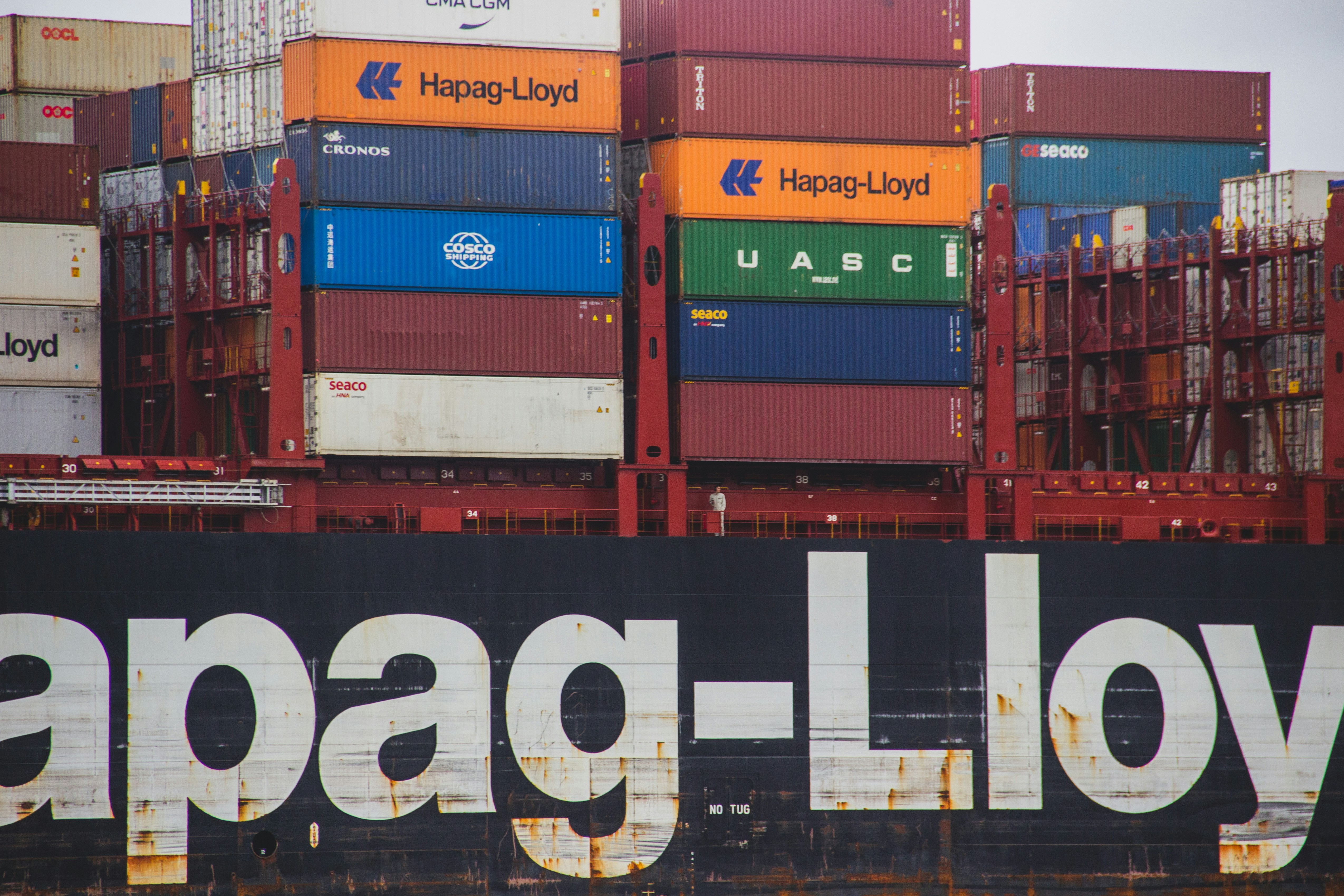

UAE to GCC DG shipping helps businesses arrange transportation for dangerous goods from the United Arab Emirates to destinations across the Gulf Cooperation Council (GCC). These shipments require additional attention because certain products can pose risks during storage, handling, loading, and transportation.
Many industries need to move regulated materials for manufacturing, construction, automotive operations, maintenance, healthcare, and industrial production. However, not every freight company accepts dangerous goods. Therefore, customers should confirm the cargo classification, packaging requirements, documentation, and transport options before booking.
The UAE serves as an important logistics hub for regional trade. Businesses can explore road, air, and sea freight options for eligible cargo moving to Saudi Arabia, Oman, Qatar, Kuwait, and Bahrain. The appropriate method depends on the dangerous goods classification, quantity, destination rules, and carrier acceptance.
At Pak Ghazi Cargo, customers can explore UAE-to-GCC freight and customs assistance. For dangerous goods, contact the team first to confirm whether the specific product and transport method can be accepted.
What Is DG Shipping?
DG stands for Dangerous Goods. These are substances or articles that can create safety risks during transportation because of their chemical, physical, or other hazardous properties.
Dangerous goods do not all present the same risks. For example, some products can catch fire, some can cause corrosion, and others can release harmful substances if handled incorrectly.
Common examples may include:
- Certain industrial chemicals
- Flammable liquids
- Aerosols and pressurized containers
- Batteries classified as dangerous goods
- Paints, solvents, and adhesives
- Corrosive substances
- Certain gases
- Other regulated industrial materials
Not every product in these categories automatically qualifies as dangerous goods. Classification depends on its composition, properties, concentration, quantity, and applicable transport regulations.
Consequently, customers should provide the exact product name and available safety documentation before requesting a DG shipping quotation.
Why Choose Specialized UAE to GCC DG Shipping?
Improved Cargo Safety
Dangerous goods require suitable handling procedures to reduce the risk of leakage, fire, chemical exposure, and other transport incidents.
Appropriate packaging, clear labels, and correct loading procedures help protect workers, vehicles, facilities, and other cargo.
Better Documentation Preparation
DG shipments may require additional documents beyond those used for ordinary freight. These can include a Safety Data Sheet (SDS), dangerous goods declaration, transport-specific paperwork, and permits where applicable.
The exact requirements depend on the product and transport method. Therefore, preparing documents early can help identify potential issues before dispatch.
Suitable Transportation Planning
Road, air, and sea transport each have different dangerous goods requirements. Some products may be accepted through one transport method but restricted or prohibited through another.
A suitable shipping plan should consider the product classification, packaging, quantity, route, carrier rules, and destination requirements.
Support for GCC Supply Chains
Manufacturers, distributors, contractors, and industrial suppliers may need to transport regulated products between the UAE and other GCC markets.
Proper DG planning can help businesses coordinate their shipments while maintaining the required safety and compliance procedures.
Types of Dangerous Goods in International Shipping
Dangerous goods are divided into nine main hazard classes under widely used international transport classification systems.
| DG class | Main hazard |
|---|---|
| Class 1 | Explosives |
| Class 2 | Gases |
| Class 3 | Flammable liquids |
| Class 4 | Flammable solids and certain related hazards |
| Class 5 | Oxidizing substances and organic peroxides |
| Class 6 | Toxic and infectious substances |
| Class 7 | Radioactive material |
| Class 8 | Corrosive substances |
| Class 9 | Miscellaneous dangerous goods |
These classes help determine packaging, marking, labeling, documentation, handling, and transport restrictions.
For example, certain batteries fall under Class 9, while many flammable liquids fall under Class 3. However, the correct classification must be established for the actual product rather than assumed from its general description.
UAE to GCC DG Shipping by Road
Road freight can be suitable for certain dangerous goods moving between the UAE and GCC countries. However, acceptance depends on the cargo classification, vehicle requirements, packaging, route, and applicable regulations.
Road DG shipping may involve:
- Product classification
- Approved or suitable packaging
- Required hazard labels and markings
- Transport documentation
- Vehicle and loading requirements
- Transit and border procedures
- Destination-country compliance
Businesses should confirm that the carrier accepts the specific dangerous goods class before arranging pickup.
UAE to Saudi Arabia DG Shipping
Saudi Arabia is a major destination for UAE commercial and industrial cargo. Depending on the product, eligible DG shipments may travel by road, subject to applicable transport and import requirements.
Before booking, customers should confirm the required documentation, transit arrangements, and any product-specific approvals.
UAE to Oman DG Shipping
Businesses transporting regulated materials to Oman should verify the product’s import eligibility and the transport requirements for the selected route.
Packaging, labeling, documentation, and vehicle suitability may all affect shipment acceptance.
UAE to Qatar DG Shipping
Road shipments from the UAE to Qatar generally transit through Saudi Arabia. Consequently, businesses must consider the requirements for the cargo’s movement through Saudi Arabia as well as its entry into Qatar.
Not every dangerous goods shipment can use every route, so the carrier should confirm the complete journey before dispatch.
UAE to Kuwait DG Shipping
DG cargo moving to Kuwait requires planning for the selected transport method, Saudi transit where applicable, and Kuwait’s import requirements.
Customers should share the product classification, quantity, packaging details, and destination information before requesting a quotation.
UAE to Bahrain DG Shipping
Road cargo from the UAE to Bahrain generally travels through Saudi Arabia. Therefore, the shipment plan should account for transit procedures and the requirements for entering Bahrain.
The final route and transport method must suit the specific dangerous goods classification.
Air Freight for Dangerous Goods
Air freight can support certain time-sensitive dangerous goods shipments. However, airlines apply strict acceptance requirements under the applicable dangerous goods regulations.
Some products are permitted only under specific conditions, while others are restricted or prohibited on passenger or cargo aircraft.
Before booking air DG cargo, businesses may need to provide:
- Accurate product classification
- A current Safety Data Sheet, where applicable
- Dangerous goods declaration, where required
- Correct packaging and hazard labels
- Quantity and package details
- Relevant permits or approvals
Air shipments must comply with applicable International Civil Aviation Organization (ICAO) requirements, International Air Transport Association (IATA) Dangerous Goods Regulations, and UAE aviation rules.
For this reason, customers should obtain confirmation from a qualified dangerous goods handler or authorized carrier before sending cargo to an airport.
Sea Freight for Dangerous Goods
Sea freight may suit certain dangerous goods shipments, especially eligible industrial cargo and larger consignments. Nevertheless, maritime transport has its own classification, packaging, documentation, stowage, and handling requirements.
Depending on the product, the process may involve:
- Dangerous goods classification
- Suitable packaging
- Required marks and labels
- Dangerous goods declaration
- Container suitability checks
- Stowage and segregation requirements
- Port acceptance
- Customs documentation
Applicable provisions of the International Maritime Dangerous Goods (IMDG) Code must be followed.
Some dangerous goods require specific container arrangements or special handling. Others may face restrictions based on the shipping line, port, or destination.
Therefore, businesses should confirm carrier acceptance and obtain a quotation before preparing the shipment for port delivery.
DG Shipping Documentation and Compliance
Accurate paperwork is essential for UAE to GCC DG shipping. Missing, inconsistent, or incorrect information can lead to shipment rejection, inspections, delays, additional costs, or regulatory penalties.
Safety Data Sheet
An SDS provides information about a product’s composition, hazards, handling precautions, storage, and emergency measures. It can help a freight provider assess whether a product requires dangerous goods controls.
An SDS does not replace the formal transport classification or every required shipping document.
Dangerous Goods Declaration
A dangerous goods declaration may be required depending on the transport method and shipment classification. It typically contains regulated information about the goods and their transport hazards.
Commercial Invoice and Packing List
Commercial shipments generally require accurate details about the goods, quantity, value, packages, and parties involved. Additional requirements may apply depending on the destination and product.
Labels and Packaging
Dangerous goods must use packaging that meets the applicable requirements. Packages may also need hazard labels, handling marks, or other information.
Customers should not remove or change required labels, conceal hazards, or describe dangerous goods as ordinary cargo to avoid restrictions.
Factors That Affect UAE to GCC DG Shipping Costs
DG shipping costs vary according to the cargo and the transport requirements. Common factors include:
- DG class and product classification
- Shipment weight and dimensions
- Number and type of packages
- Packaging and labeling requirements
- Road, air, or sea freight selection
- Pickup and delivery locations
- Special handling requirements
- Customs clearance and permits
- Carrier acceptance conditions
- Transit route and delivery schedule
For instance, a regulated product requiring specialized packaging and handling may cost more to ship than ordinary cargo of a similar weight.
Therefore, request a shipment-specific quotation instead of relying on standard general cargo rates.
How to Arrange UAE to GCC DG Shipping
Step 1: Identify the Product
Provide the exact product name, composition where relevant, quantity, and available SDS.
Step 2: Confirm Classification
The product must be classified under the applicable dangerous goods rules. Do not assume the class based only on its commercial name.
Step 3: Share Shipment Details
Provide the UAE pickup location, GCC destination, package count, dimensions, weight, and intended delivery schedule.
Step 4: Confirm Carrier Acceptance
Ask the freight provider to confirm whether the cargo is permitted for the proposed road, air, or sea service.
Step 5: Prepare the Documents
Arrange the required declarations, labels, packaging, invoices, permits, and other documents for the selected route.
Step 6: Confirm the Quotation and Route
Review the charges, handling requirements, transit route, customs arrangements, and estimated schedule before confirming the booking.
Step 7: Arrange Shipment and Tracking
Once the shipment is accepted and all requirements are met, coordinate pickup, transport, customs procedures, and delivery.
Why Choose a Suitable DG Shipping Partner?
Dangerous goods transportation requires more than ordinary cargo collection and delivery. The provider must understand the applicable transport requirements and confirm that the shipment falls within its operational capabilities.
Before selecting a freight company, ask whether it:
- Accepts your specific DG class
- Has access to suitably qualified DG personnel
- Can arrange compliant packaging and labeling
- Understands the selected transport method’s rules
- Can coordinate required customs procedures
- Can confirm transit and destination restrictions
- Provides a clear quotation and shipment plan
These checks help businesses avoid booking a service that cannot legally or safely transport their goods.
UAE to GCC DG Shipping with Pak Ghazi Cargo
Pak Ghazi Cargo provides UAE-to-GCC road freight, air cargo, sea freight, door-to-door transportation, and customs clearance assistance.
Its listed services cover Saudi Arabia, Oman, Qatar, Kuwait, Bahrain, and other GCC destinations. However, dangerous goods require separate acceptance checks because ordinary cargo services do not automatically include every DG class.
Before booking with Pak Ghazi Cargo, provide the exact product details and SDS, if available. Ask the team to confirm whether it can arrange your specific dangerous goods shipment, the approved transport method, documentation, and destination requirements.
This confirmation is important because some goods may require a specialist DG handler, approved carrier, or transport arrangement beyond standard freight services.
Frequently Asked Questions
What does DG mean in shipping?
DG means Dangerous Goods. It refers to substances or articles that present hazards during transportation and must follow applicable classification, packaging, labeling, documentation, and handling rules.
Can dangerous goods be shipped from the UAE to GCC countries?
Some dangerous goods can be shipped, provided the product is permitted, the carrier accepts it, and all applicable transport, customs, and destination requirements are met.
Which shipping method is suitable for DG cargo?
Road, air, or sea freight may be suitable depending on the product classification, quantity, destination, urgency, and carrier restrictions. Not every DG product is permitted through every method.
Which documents are required for DG shipping?
Requirements vary, but they may include an SDS, dangerous goods declaration, commercial invoice, packing list, compliant packaging, hazard labels, and applicable permits.
Can ordinary cargo companies transport dangerous goods?
Not necessarily. Customers should confirm that the provider and selected carrier can legally and safely handle the specific DG class and transport method.
How can I request a DG shipping quotation?
Share your UAE pickup location, destination, exact product name, classification if known, SDS, quantity, package dimensions, and preferred transport method. The provider can then review the shipment requirements and confirm whether it can be accepted.
Final Thoughts
UAE to GCC DG shipping requires careful planning, accurate classification, compliant packaging, complete documentation, and a transport method suitable for the specific goods.
Whether a shipment is moving to Saudi Arabia, Oman, Qatar, Kuwait, or Bahrain, businesses should confirm carrier acceptance and destination requirements before dispatch. Road, air, and sea freight each have different rules, so selecting the correct option is essential.
For UAE-to-GCC cargo and customs assistance, visit Pak Ghazi Cargo and ask the team to review your dangerous goods shipment before booking.
Contact Pak Ghazi Cargo
Website: https://pakghazicargo.com/
WhatsApp: +971 55 640 2772
Email: info@pakghazicargo.com
Quick WhatsApp Booking: Contact Pak Ghazi Cargo on WhatsApp
Contact the team with your product details and destination to confirm DG acceptance, shipping options, documentation requirements, and a shipment-specific quotation.