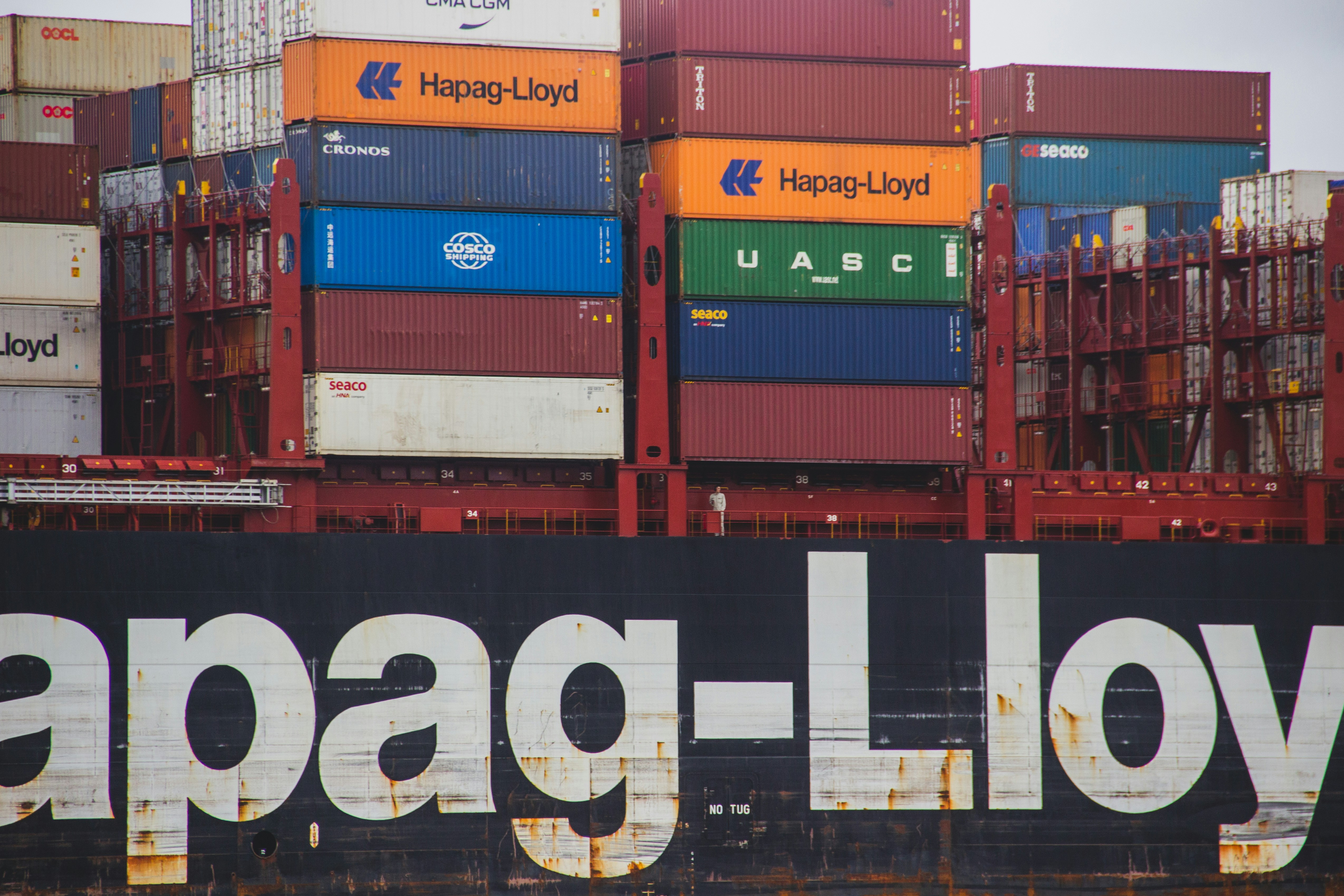

Saudi Arabia to UAE cargo routes are important for businesses that regularly transport commercial goods, industrial equipment, retail products, construction materials, and other shipments between Saudi Arabia and the United Arab Emirates. Road freight is one of the most practical options for cross-border cargo because it allows flexible pickup and delivery arrangements across major cities in both countries.
The primary land connection between Saudi Arabia and the UAE is the Al Batha–Al Ghuwaifat border crossing. Al Batha is on the Saudi side, while Al Ghuwaifat is on the UAE side. From this crossing, cargo can continue toward Abu Dhabi, Dubai, Sharjah, and other UAE destinations.
For reliable UAE and GCC cargo solutions, visit https://pakghazicargo.com.
Main Saudi Arabia to UAE Cargo Routes
The most commonly used Saudi Arabia to UAE cargo routes depend on the shipment’s starting city and final destination. Saudi cargo can travel through the Saudi road network toward Al Batha and then enter the UAE through Al Ghuwaifat.
Common routes include:
- Riyadh to Dubai
- Riyadh to Abu Dhabi
- Dammam to Dubai
- Dammam to Abu Dhabi
- Jeddah to Dubai
- Jeddah to Abu Dhabi
- Al Khobar to Dubai
- Jubail to UAE
- Saudi Arabia to Sharjah
- Saudi Arabia to other UAE Emirates
The Al Batha–Al Ghuwaifat corridor is the main commercial land crossing between the two countries.
Saudi Arabia to Dubai Cargo Route
Dubai is one of the most popular destinations for Saudi cargo. Commercial shipments from Riyadh, Dammam, Jeddah, and other Saudi cities can travel toward Al Batha before entering the UAE at Al Ghuwaifat.
A typical road route is:
Saudi Arabia → Al Batha → Al Ghuwaifat → Abu Dhabi → Dubai
After entering the UAE, cargo can continue toward Dubai warehouses, industrial areas, free zones, retail locations, or customer addresses.
Businesses can choose LTL or FTL transportation depending on the shipment size and delivery requirements.
Saudi Arabia to Abu Dhabi Cargo Route
For shipments destined for Abu Dhabi, cargo generally travels toward Al Batha and enters the UAE through Al Ghuwaifat.
The route can be summarized as:
Saudi Arabia → Al Batha → Al Ghuwaifat → Abu Dhabi
The route can serve commercial warehouses, industrial facilities, construction sites, and business locations across Abu Dhabi.
Saudi Export Development Authority data also identifies Al Ghuwaifat as the UAE land port serving key inland UAE markets, with Abu Dhabi approximately 377 km from the Saudi departure point at Al Batha.
Jeddah to UAE Cargo Route
Jeddah is located on Saudi Arabia’s western coast, so cargo travelling from Jeddah to the UAE must cross a significant portion of Saudi Arabia before reaching the UAE border.
A typical road freight route is:
Jeddah → Saudi Arabia → Al Batha → Al Ghuwaifat → UAE destination
From Al Ghuwaifat, the truck can continue toward Abu Dhabi, Dubai, Sharjah, or another UAE destination.
Jeddah-to-UAE shipments can be transported using road freight, FTL, LTL, sea freight, air freight, or door-to-door services depending on the cargo requirements.
Riyadh to UAE Cargo Route
Riyadh is centrally positioned within Saudi Arabia and is an important source of commercial cargo for the UAE.
A typical route is:
Riyadh → Saudi Arabia Highway Network → Al Batha → Al Ghuwaifat → UAE
From the border, cargo can continue toward Dubai, Abu Dhabi, Sharjah, or other Emirates.
Road freight guidance for the reverse Dubai-to-Riyadh direction indicates that Riyadh is one of the most common destinations using the Al Ghuwaifat–Al Batha corridor.
Dammam to UAE Cargo Route
Dammam and the wider Eastern Province are important industrial and commercial areas in Saudi Arabia. Cargo from Dammam can travel west and south through Saudi road networks toward Al Batha before entering the UAE.
The route generally follows:
Dammam → Saudi Arabia → Al Batha → Al Ghuwaifat → UAE
The Saudi road network around Al Batha connects with routes serving Dammam, Riyadh, and other major destinations.
This route can be suitable for industrial materials, machinery, commercial inventory, spare parts, and other eligible cargo.
Al Khobar to UAE Cargo Route
Businesses located in Al Khobar and the Eastern Province can arrange road freight toward the UAE through the Al Batha border.
The shipment travels toward Al Batha and then enters the UAE at Al Ghuwaifat.
From there, cargo can be delivered to:
- Abu Dhabi
- Dubai
- Sharjah
- Ajman
- Ras Al Khaimah
- Fujairah
- Other UAE destinations
The final route depends on the pickup location, delivery address, cargo type, and selected truck.
Saudi Arabia to Sharjah Cargo Route
Sharjah is another important UAE destination for Saudi cargo. After crossing Al Ghuwaifat, trucks can continue through the UAE road network toward Sharjah.
A typical route is:
Saudi Arabia → Al Batha → Al Ghuwaifat → Abu Dhabi → Dubai/Sharjah
Businesses can use this route for retail inventory, wholesale goods, industrial supplies, machinery, furniture, and other commercial shipments.
Types of Cargo Transported from Saudi Arabia to UAE
Commercial Cargo
Businesses regularly transport:
- Retail products
- Wholesale goods
- FMCG products
- Electronics
- E-commerce inventory
- Business supplies
Industrial Cargo
Manufacturers and industrial companies may transport machinery, equipment, spare parts, tools, and production materials.
Construction Materials
Construction companies can arrange transportation for:
- Steel products
- Pipes
- Electrical supplies
- Building materials
- Tools
- Construction equipment
Furniture and Household Goods
Individuals and companies relocating between Saudi Arabia and the UAE can use suitable cargo services for furniture, appliances, office equipment, and household belongings.
Saudi Arabia to UAE Cargo Routes by Freight Type
Full Truckload Freight
FTL can be suitable when a shipment requires most or all of a truck’s available capacity. A dedicated truck can provide direct transportation between the pickup and delivery locations.
Less Than Truckload Freight
LTL can be useful for smaller shipments that do not require a complete truck. Cargo can be consolidated with other compatible shipments.
Door-to-Door Cargo
Door-to-door transportation can include cargo pickup in Saudi Arabia, cross-border transportation, customs coordination, and final delivery in the UAE.
Air Freight
Air freight can be considered when speed is more important than transportation cost, particularly for smaller or time-sensitive shipments.
Sea Freight
Sea freight can be suitable for larger shipments moving between Saudi ports and UAE ports. Jeddah and Dammam are important Saudi maritime locations with connections to UAE logistics hubs.
Customs and Documentation for Saudi Arabia to UAE Cargo
Cross-border shipments require appropriate documentation before transportation begins. Depending on the cargo, documents may include:
- Commercial invoice
- Packing list
- Certificate of origin
- Transport documents
- Customs declarations
- Applicable permits
- Product-specific certificates where required
Accurate documentation is important because inconsistencies between invoices, packing lists, cargo descriptions, and other documents can result in delays at the border.
Businesses should confirm the current import and customs requirements for their specific products before dispatch.
Benefits of Using Reliable Saudi Arabia to UAE Cargo Routes
Better Route Planning
Experienced freight providers can select a suitable route based on the cargo, pickup city, destination, and delivery requirements.
Flexible Transportation
Businesses can select FTL, LTL, air freight, sea freight, or door-to-door transportation according to their needs.
Secure Cargo Handling
Proper loading, packaging, and securing procedures can help protect goods during long-distance transportation.
Regular Freight Scheduling
Businesses with recurring cargo requirements can arrange regular transportation schedules between Saudi Arabia and the UAE.
Shipment Updates
Freight status updates can help customers monitor important stages such as pickup, border processing, customs clearance, transit, and final delivery.
How to Book Saudi Arabia to UAE Cargo
Step 1: Provide Cargo Details
Share the following information with the freight provider:
- Pickup city in Saudi Arabia
- UAE delivery city
- Cargo type
- Total weight
- Cargo volume
- Number of packages
- Package dimensions
- Preferred delivery schedule
Step 2: Choose the Freight Method
Select FTL, LTL, air freight, sea freight, or door-to-door cargo based on the shipment requirements.
Step 3: Prepare Documents
Make sure the required commercial and customs documents are ready before the truck is dispatched.
Step 4: Arrange Cargo Pickup
The freight provider collects the shipment from the agreed Saudi location.
Step 5: Cross the Al Batha–Al Ghuwaifat Border
The truck completes the Saudi export procedures, crosses the border, and enters the UAE through Al Ghuwaifat.
Step 6: Final UAE Delivery
After completing the required UAE customs procedures, the cargo continues to its final destination.
Why Choose Pak Ghazi Cargo?
Pak Ghazi Cargo provides cargo and logistics solutions for businesses and individuals moving shipments across the UAE and GCC. Customers searching for Saudi Arabia to UAE cargo routes can choose a suitable transportation option according to their cargo type, size, urgency, and delivery requirements.
Whether you need road freight, FTL, LTL, air freight, sea freight, or door-to-door cargo, proper route planning can help make cross-border transportation more organized.
Visit https://pakghazicargo.com to explore more GCC cargo and logistics services.
For a quotation or booking, contact Pak Ghazi Cargo through WhatsApp at https://api.whatsapp.com/send/?phone=971556402772&text&type=phone_number&app_absent=0.
Conclusion
Saudi Arabia to UAE cargo routes provide important transportation connections for businesses trading between the two GCC countries. The main road freight corridor uses Al Batha in Saudi Arabia and Al Ghuwaifat in the UAE before cargo continues toward destinations such as Abu Dhabi, Dubai, Sharjah, and other Emirates.
Businesses can choose FTL, LTL, air freight, sea freight, or door-to-door services depending on cargo size, urgency, and delivery requirements. Preparing accurate documentation and sharing complete shipment details before dispatch can also help reduce avoidable delays.
For reliable Saudi Arabia to UAE cargo and GCC freight solutions, visit https://pakghazicargo.com. To request a quotation or discuss your shipment requirements, contact Pak Ghazi Cargo through WhatsApp at https://api.whatsapp.com/send/?phone=971556402772&text&type=phone_number&app_absent=0.